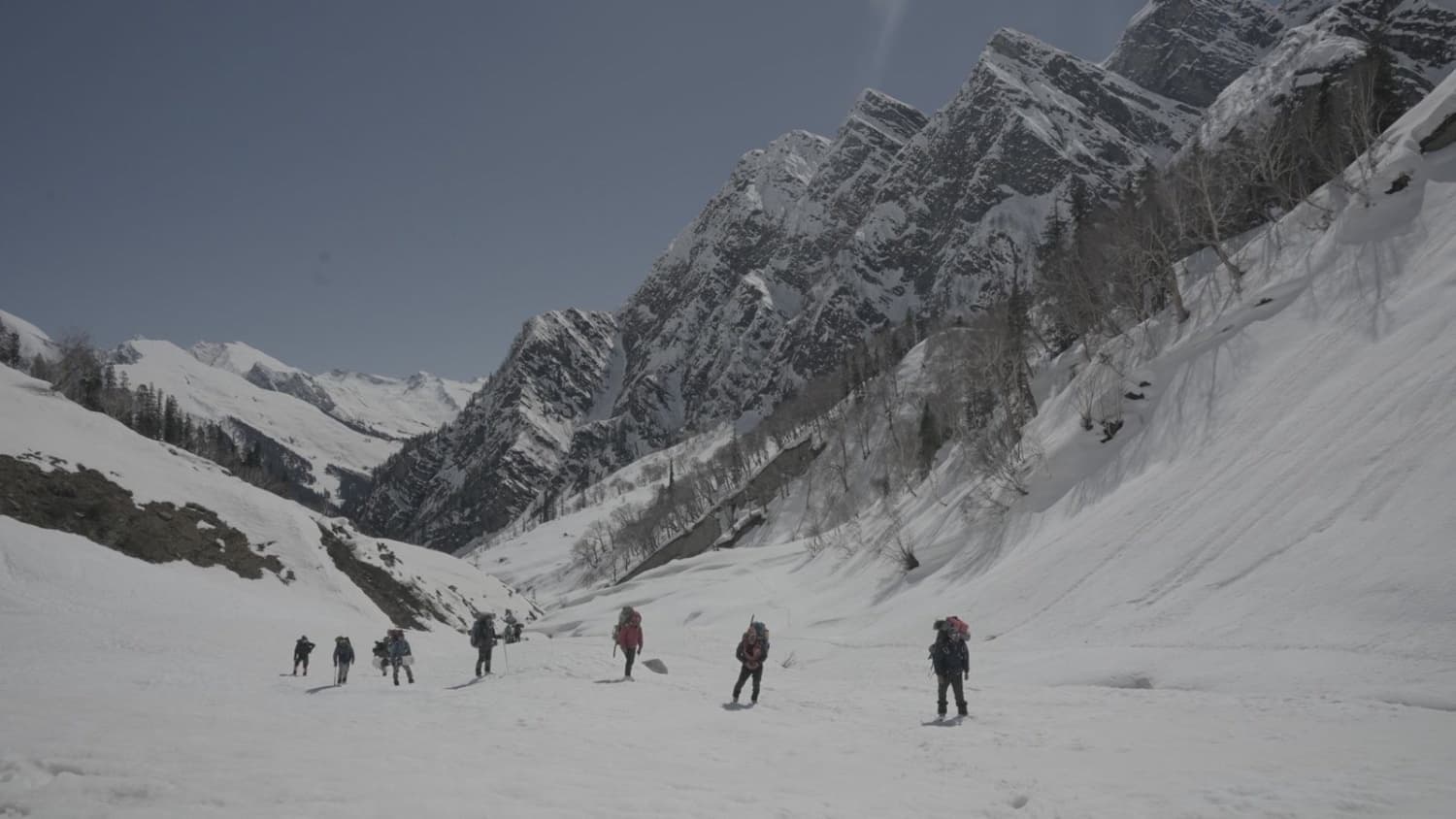
White Expedition Approach
Friendship Peak. Climbing with our team.
White Expedition has run 50+ Friendship Peak expeditions. Review its guide ratio, small-group plan, safety support and questions to ask before booking.
Why Climb Friendship Peak with White Expedition?
Choosing an expedition team is a personal decision. This page explains how White Expedition plans Friendship Peak trips so you can compare our approach with other operators.
White Expedition has run 50+ Friendship Peak expeditions. Our current plan is one guide for every two climbers, with a maximum group of eight. Each trip has emergency oxygen, first-aid-trained staff and an evacuation plan. These preparations support informed decisions; mountain conditions and individual health still govern the summit attempt.
What our expedition experience means
Running trips on the route gives our team experience to draw on when planning an itinerary, briefing guides and assessing changing conditions. It does not mean that 50+ teams reached the summit, or that a future team will do so.
Ask us how the route, weather and snow conditions are being assessed for your particular departure. An expedition leader may change the plan or turn the team around when conditions require it.
Guides and group size
For our current Friendship Peak operating plan, one guide accompanies every two climbers and the group has no more than eight climbers. Before booking, confirm the guide roster and group size for your departure, and ask who will lead the climb and how decisions will be made on summit day.
A ratio describes staffing, not a safety or summit guarantee. Fitness, acclimatisation, route conditions and the judgement of the team remain important.
Safety support and decision-making
Every Friendship Peak expedition has emergency oxygen, first-aid-trained staff and an evacuation plan. Ask the team where the equipment will be carried, who is responsible for first aid, how an evacuation decision is made and how a rescue would be coordinated. An evacuation plan cannot promise a particular response time or outcome.
Our guides assess weather, altitude response and on-route conditions. Turning around can be the right decision even after substantial preparation. There is no fixed or guaranteed summit-success rate.
Check the current itinerary and equipment list
Review the expedition page and the details for your departure before paying. Ask which equipment is included, what you must bring or rent, how the acclimatisation days and buffer day work, and what changes if conditions interrupt the planned summit attempt. Do not assume that a particular boot or technical item is included without checking the current package details.
Questions to ask our team before booking
- Who are the guides assigned to my departure, and what is the final climber-to-guide count?
- What fitness, previous experience and technical skills should I have for the conditions expected?
- Which clothing, boots and climbing equipment are included, and which must I arrange myself?
- What is the acclimatisation plan, and when would the leader turn the group around?
- Where will emergency oxygen be carried, who has first-aid training, and how would an evacuation be coordinated?
- What are the current departure details, price, inclusions and cancellation terms?
Compare the answers with other operators and choose the team whose plan fits your experience and expectations. No company can remove the risks of a high-altitude climb or guarantee a summit.